Category: Blog

Fiona Butterworth Takes Part in Hearing Health Panel

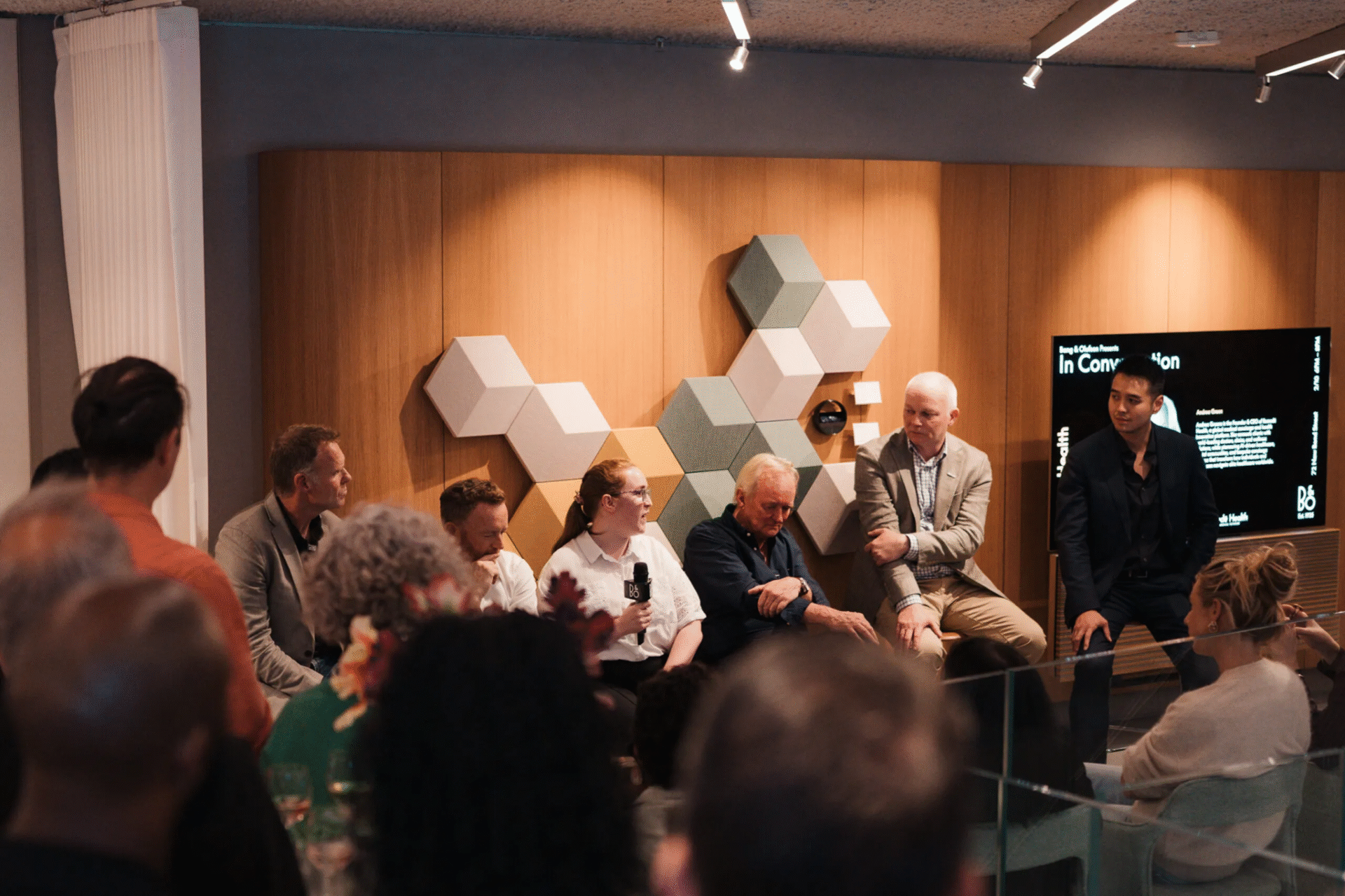
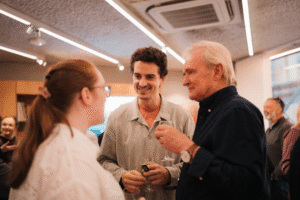
On Thursday 2nd October, I had the privilege of representing Harley Street Hearing and Musicians’ Hearing Services at a Hearing Health event hosted by Remedē Health and TinniSoothe at Bang & Olufsen Mayfair. The evening brought together experts and advocates to share insights on how musicians can protect their hearing without compromising their performance.

Learning from Fellow Experts

I was honoured to join a panel with Andrea Greene (Remedē Health), Howard Presland (TinniSoothe), Alex Brooks-Johnson (Tinnitus UK), Andy Shiach (ACS Custom), and Dr. Ryan Chin Taw Cheong (Cleveland Clinic London). Together, we explored practical strategies for hearing protection, managing tinnitus, and maintaining long-term ear health.

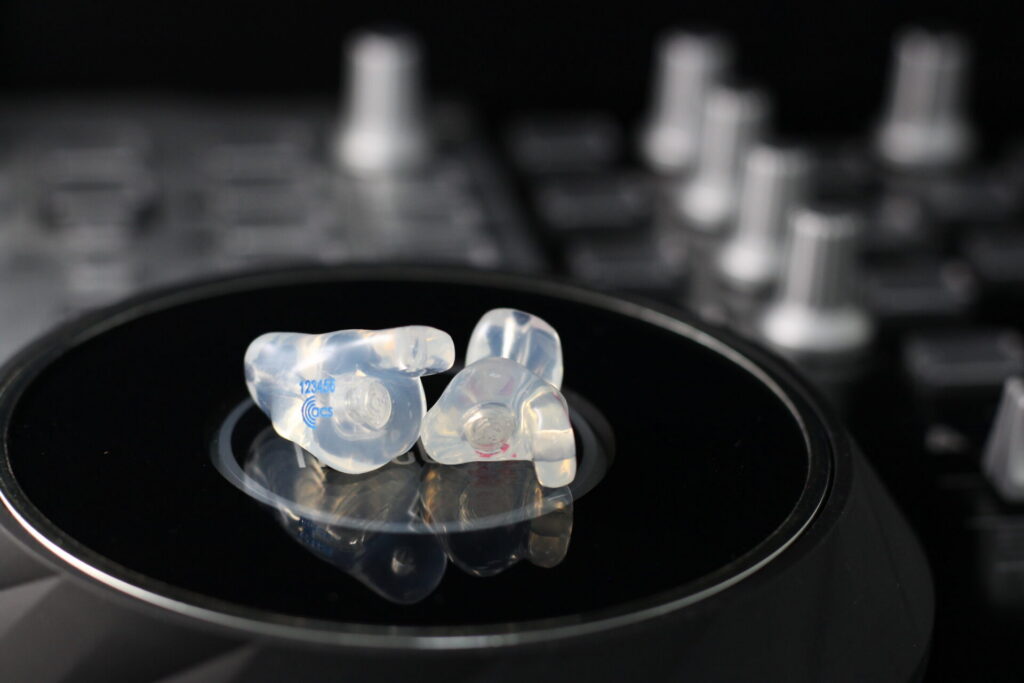
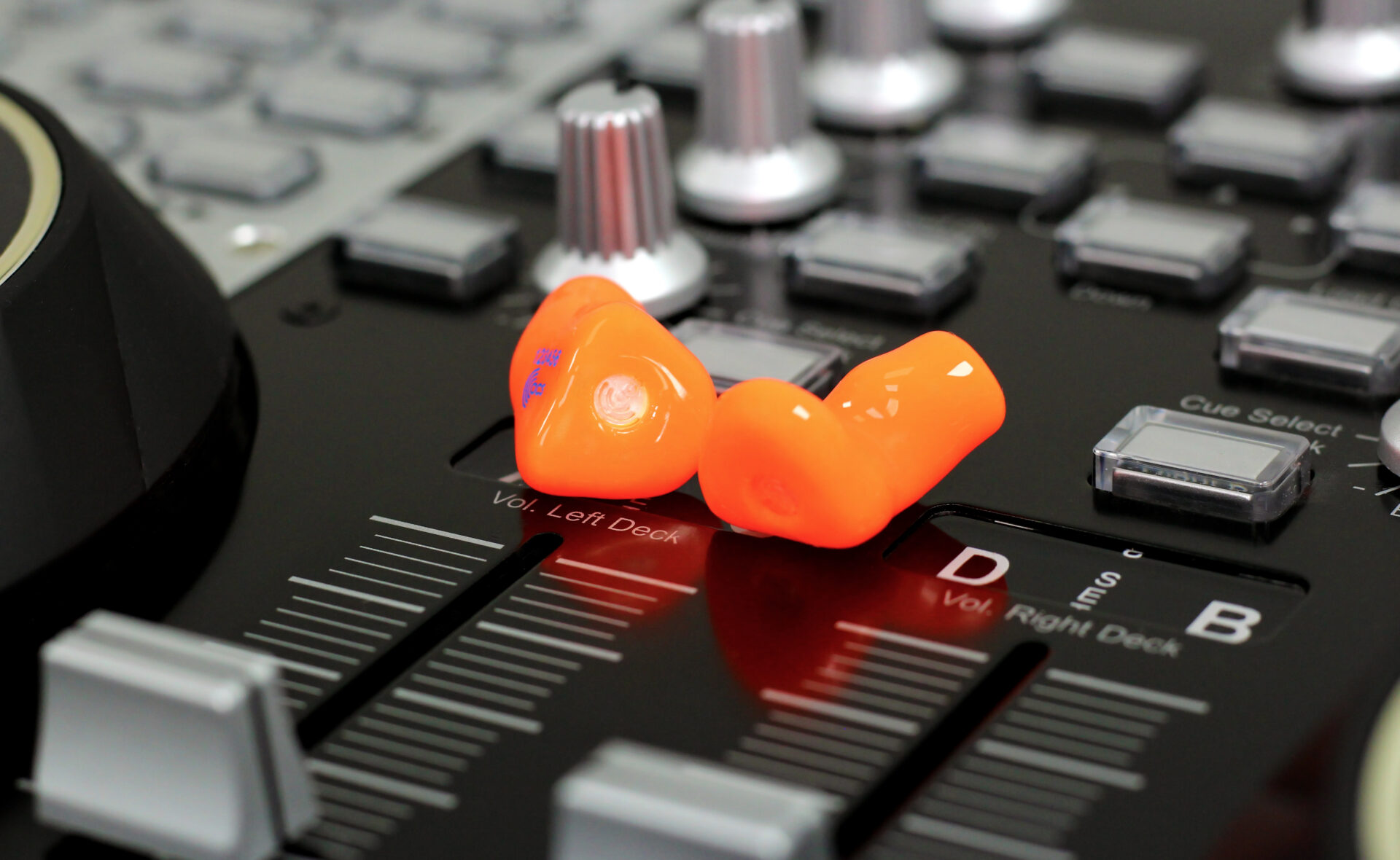
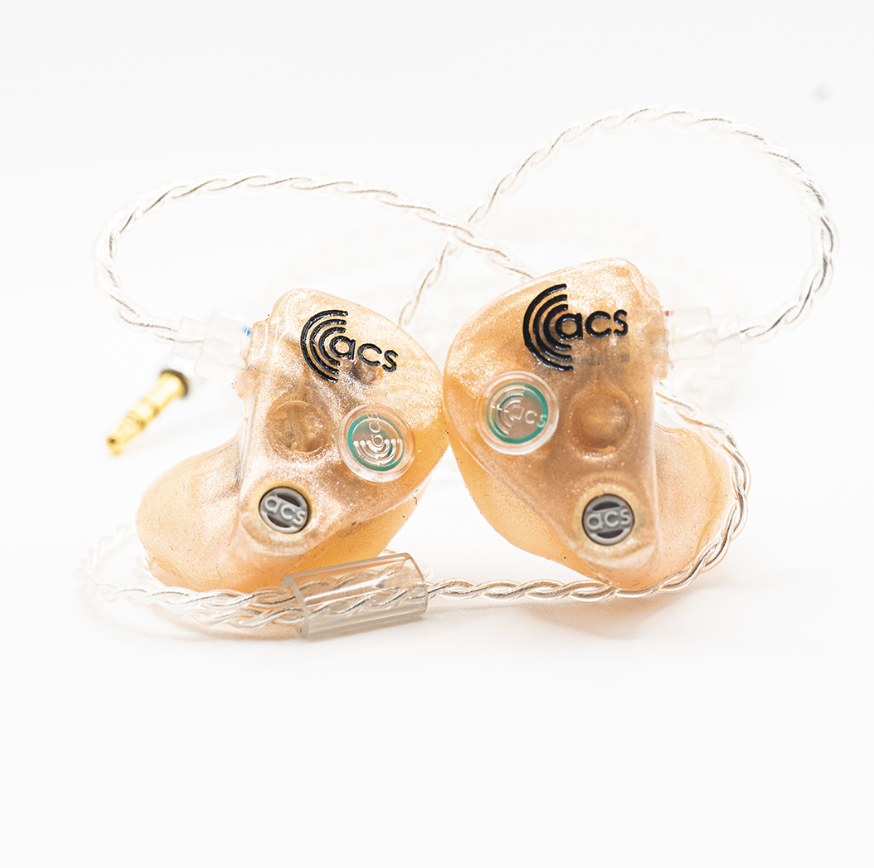
The discussion covered custom in-ear protection, the importance of regular hearing checks, and personal experiences with tinnitus. One key takeaway from the evening was clear: early awareness and proactive prevention are essential for preserving hearing in the music industry.

It was inspiring to meet so many people who share my passion for hearing health and are committed to raising awareness. I’m particularly excited about the future of tinnitus management and how it can help musicians continue their careers safely.

About Me

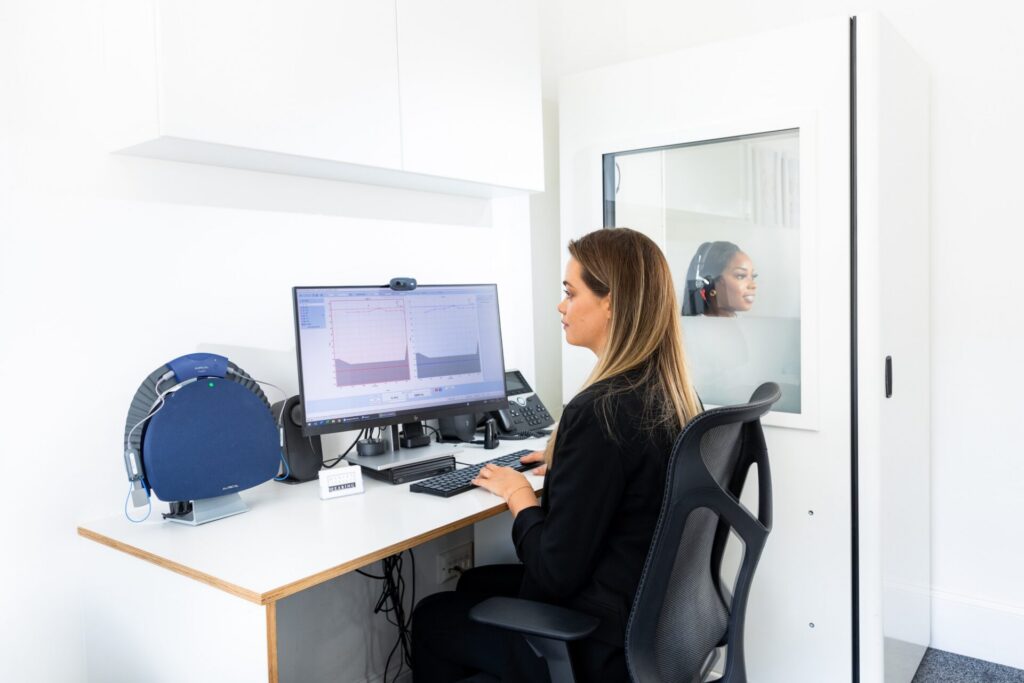
As Clinical Lead at Harley Street Hearing and Musicians’ Hearing Services, I support musicians and performers across the UK with hearing aid technology, custom hearing protection, and personalised education. Helping artists protect their hearing so they can stay connected to the sounds they love is at the heart of what I do.

Contact Us

If you’re interested in learning more about protecting your hearing or want personalised advice, I can guide you on strategies that let you perform confidently while safeguarding your ears. Contact us to book a consultation.

Geo’s Hearing Aids Restored the Music They Had Been Missing

For music producer and songwriter Geo, sound is more than just hearing, it is how they connect with the world. Having relied on hearing aids for years, they began noticing that some frequencies, especially in the low and mid ranges, were becoming harder to hear. This was affecting not only daily life, but also their music.

“I had been using the same hearing aids for about six years,” Geo explains. “I did not realise at first how much of the sound spectrum I was missing. Chords and bass lines were not clear in my tracks, and it was subtly affecting my creativity.”

Finding the right support

At the time, Geo’s audiologist was overseas, making it hard to get regular adjustments or specialist care tailored to a musician’s needs. Discovering Harley Street Hearing through the Musicians’ Hearing Health Scheme was a turning point.

They booked an appointment with audiologist Fiona Butterworth, whose understanding of both music and hearing health made an immediate impression. “Fiona’s attention to detail convinced me to choose Harley Street Hearing,” Geo says. “Having someone local who understands a musician’s needs has been invaluable.”

The right technology

After a thorough consultation, Geo was fitted with Phonak Audéo Lumity hearing aids. Fiona explained the different technology levels and why this model, with its music-friendly accessories and advanced sound processing, would suit their lifestyle.

The results were immediate. “When I first put them on and listened to my music playlist, I heard details I had never noticed before,” Geo recalls. “The clarity across low and high frequencies was incredible. It completely changed how I experience music.”

Life-changing features

The hearing aids’ dedicated music mode has been transformative, allowing Geo to hear layers of sound previously missed. Speech-in-noise mode has also made everyday conversations much easier, helping them focus on voices while tuning out background noise.

Adjusting took some time, as expected, but over a year later, Geo cannot imagine going back. “Your brain adapts,” they explain. “Now I can fully appreciate the detail in music again. It has been life-changing.”

The importance of ongoing care

Geo credits much of their success to Fiona’s ongoing support. “She is the only audiologist I see now. Fiona takes time to troubleshoot, explains the settings, listens to my needs, and even supports me with urgent appointments and funding applications. I honestly could not ask for more.”

Back to enjoying music

Today, Geo feels confident in both the studio and daily life. Their hearing aids are discreet, reliable, and perfectly tailored, allowing them to create, perform, and enjoy music with clarity they once thought was lost.

“If you are a musician worried hearing aids might hold you back, do not be. With the right support, they can give you so much back.”

For musicians or music lovers looking to enhance hearing and experience music fully, professional audiology support can make all the difference. Contact us to find out more about hearing aids tailored to your needs

How Tinnitus Management Helped Luke Stay in Control of His Music

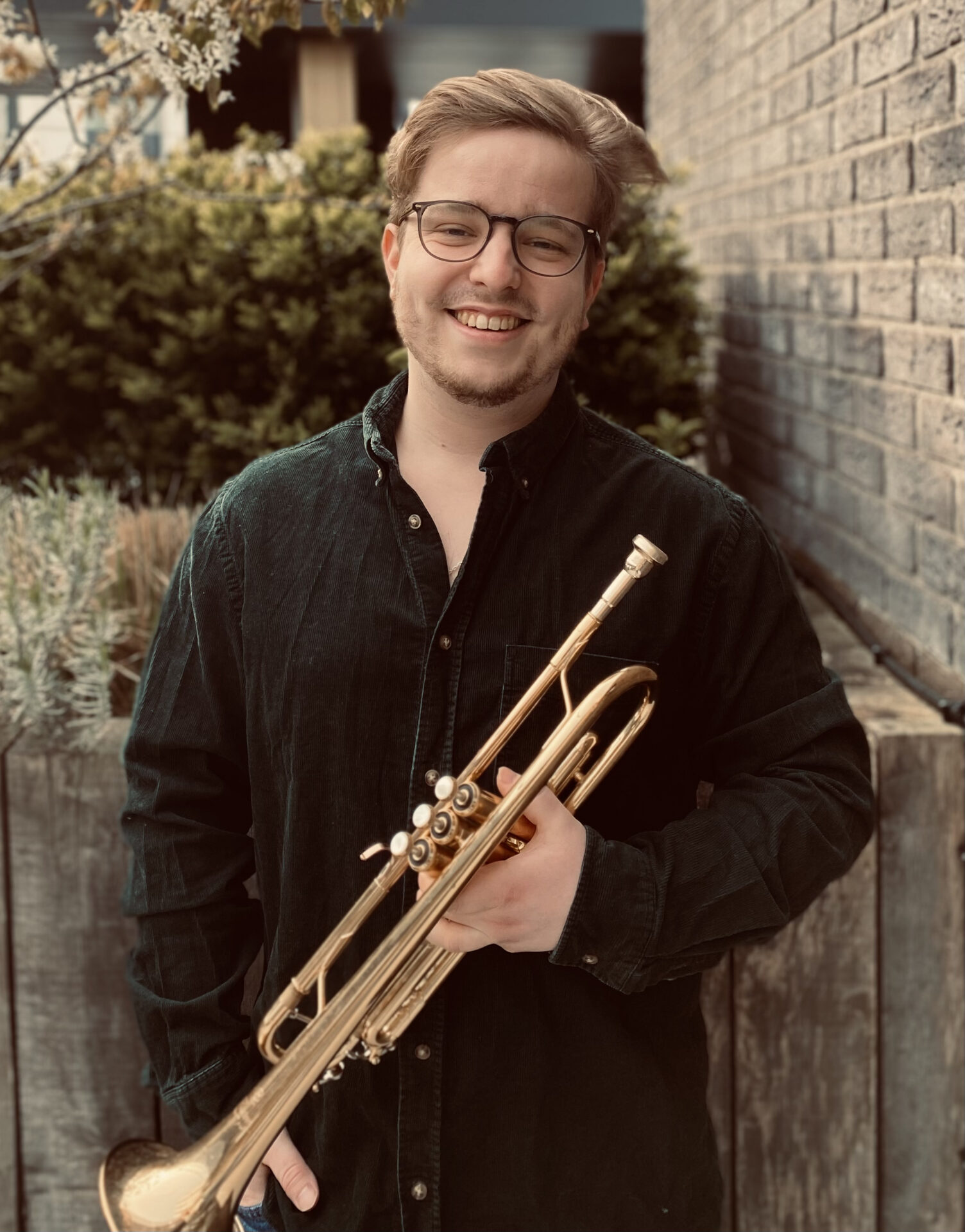
For 29-year-old trumpet player Luke, music has always been at the heart of his life. Years spent performing live had immersed him in powerful, complex sound, but when he started noticing a persistent ringing in his right ear, everything changed.

The first warning signs

At first, the tinnitus was subtle, but in quiet hotel rooms while on tour, it became impossible to ignore. “Sleeping was difficult, and I worried constantly about how this might affect my career,” Luke explains. “Knowing that tinnitus in one ear can sometimes indicate more serious issues added to the stress.”

Seeking expert advice

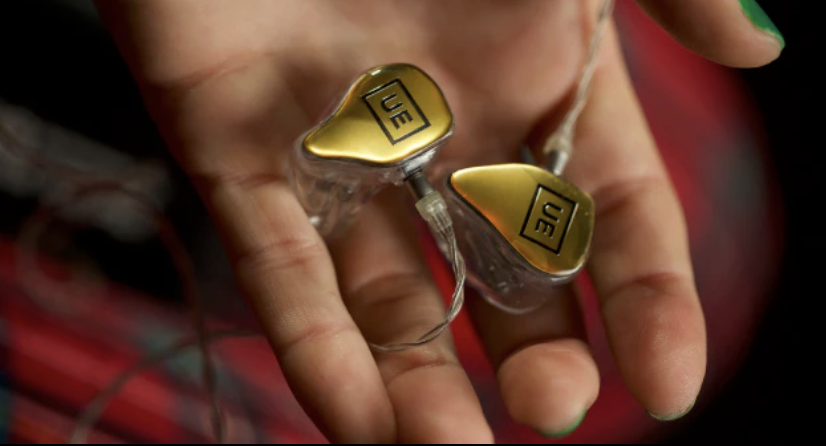
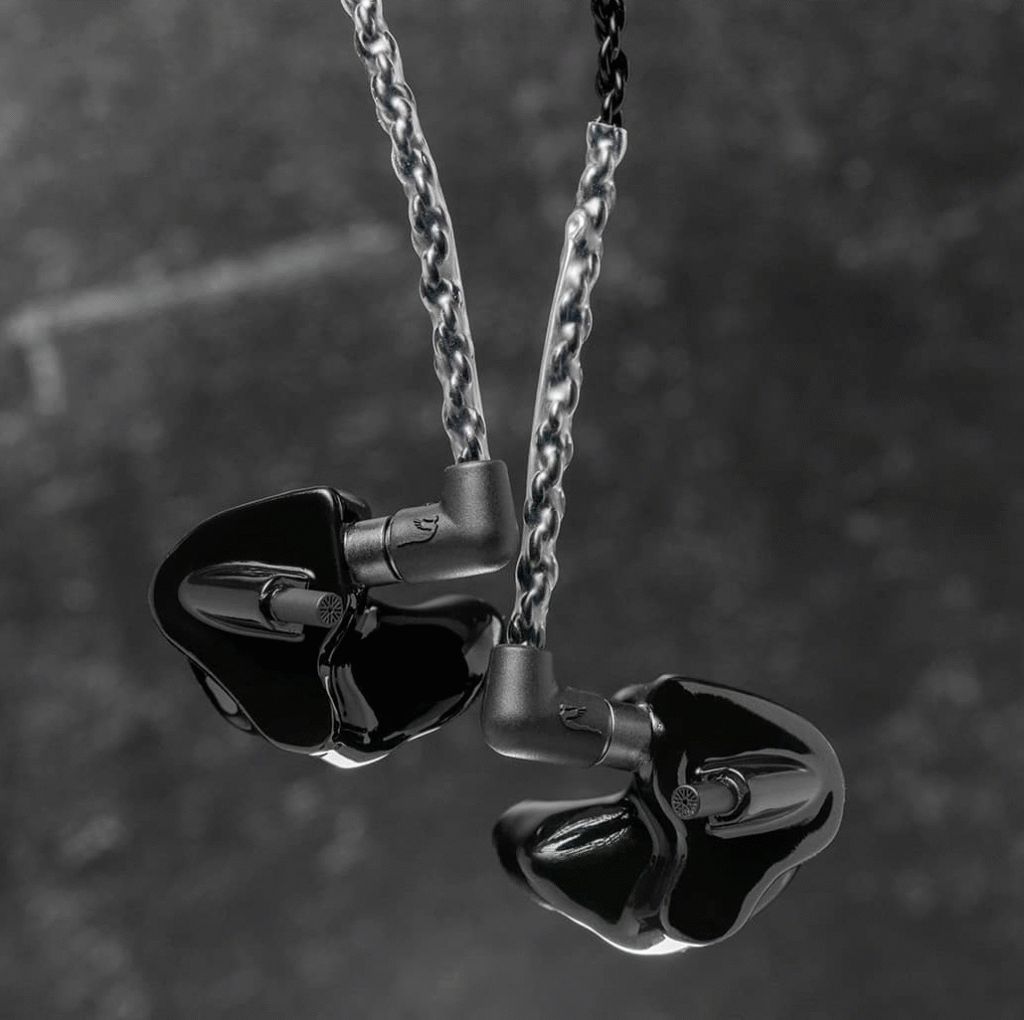
Luke discovered Harley Street Hearing through the Musicians’ Union and booked a consultation to assess his hearing health. He wanted to identify any factors contributing to his tinnitus, explore custom earplugs to protect his hearing, and trial in-ear monitors (IEMs) for safer, controlled sound during performances.

His appointment with audiologist Matt Frost made an immediate impact. “Matt advised me to get NHS scans because the tinnitus was only in one ear,” Luke recalls. “Everything came back clear, which was a huge relief.”

Matt also explained how Luke’s years of standing on one side of a drum kit had likely contributed to the problem and guided him on consistent hearing protection.

“Matt really understood what it meant to be a professional musician,” Luke says. “He’s around my age and knows the realities of life on tour. Having that support was invaluable.”

Taking control of his hearing

Today, Luke feels informed, reassured, and empowered. By following Matt’s guidance on safe noise exposure and using custom ear protection, his tinnitus has reduced and become a useful signal rather than a constant stressor.

“My tinnitus now acts like a warning system,” he explains. “If it spikes, I know the environment is too loud and I need protection. In a way, I’m grateful for it.”

Adjusting to new tools

Learning to use IEMs as a trumpet player came with challenges. The occlusion effect—feeling “blocked in” while playing—made the adjustment tricky at first. Over time, however, Luke became comfortable with them.

“Most importantly, I know I am protecting my hearing and safeguarding my career,” he says. “It’s completely worth it.”

Advice to fellow musicians

Luke’s message is simple but vital: “Prevention is the best medicine. Don’t ignore the warning signs. Take action early to protect your hearing while still enjoying the music you love.”

Whether you’re dealing with tinnitus, exploring custom hearing protection, or considering IEMs for safer stage sound, expert guidance can make all the difference. Contact us today to find out how to protect your ears and your career.

How Hearing Aids Helped Elena Tune Back into Music

For Elena, sound has always been a lifeline. As a professional musician with a visual impairment, her ears connect her to the world in ways most of us take for granted. Yet, over time, she began to notice subtle changes that made her question whether her hearing was still as sharp as it needed to be.

The first signs

Elena’s awareness of potential hearing difficulties started with a message from the Musicians’ Union encouraging members to check their hearing. It struck a chord. She remembered the trauma of the 7th July 2005 attacks in London and wondered whether her hearing changes were real or just a product of her imagination.

“At first, I couldn’t tell if something was wrong,” Elena recalls. “Because of my visual impairment, I rely on hearing more than most. It’s how I navigate the world and my music.”

At the time, living in Scotland, she had tried NHS hearing aids. They helped, but her professional needs were complex, and she longed for a solution that fit both her musical career and her daily life.

The impact on daily life

Before finding the right support, Elena often felt frustrated and isolated. “I struggled to follow conversations, and once I even sang the wrong note while harmonising,” she shares. “Having to constantly ask people to repeat themselves was embarrassing.”

The challenges weren’t limited to music. Crossing streets or navigating busy areas became daunting. “I rely on hearing to cross safely. When I couldn’t hear properly, I felt nervous and unsure. I might have annoyed a few motorists too,” she says with a laugh.

Finding specialised support

Elena reached out to the Royal Society of Musicians, who guided her toward more tailored options. That led her to Harley Street Hearing, where audiologist Matthew Allsop took the time to understand her unique situation.

“Matthew has been incredible,” Elena says. “He listens carefully, not just to what I say, but to what I need as a musician and as someone visually impaired.”

After a detailed discussion of her hearing challenges, Matthew recommended Widex Moment RIC hearing aids. These devices adapt automatically to different environments, reducing the constant need for manual adjustments.

“One of the things I love most is that the aids adjust themselves,” Elena explains. “I can also tweak settings using the Widex app when necessary. It’s made life so much easier.”

Life with hearing aids

Adjusting to her new hearing aids was smooth, and four years later, Elena has noticed profound improvements.

“I no longer sing off-key, I can tune my instrument accurately, and I feel more confident moving around,” she says. “Social situations are easier, too, though public spaces still have room to become more hearing-friendly.”

Elena emphasizes the importance of a collaborative relationship with an audiologist. “Many people don’t know what to ask for or how to describe their struggles. Having someone who listens and adapts makes all the difference. Without Harley Street Hearing, I’d probably still be missing out.”

Back in tune with life

Today, Elena feels fully reconnected to her music, independence, and the world around her.

“My life has changed completely,” she reflects. “Finding an audiologist who truly understands your needs is transformative.”

Experience the difference personalised hearing care can make. Contact us to see how we can help you reconnect with the sounds you love.

Showcasing Hearing Health at the ABO Conference 2025

I was delighted to attend and exhibit at the annual conference of the Association of British Orchestras (ABO) in London with our Marketing Manager, Lauren Culver, on behalf of Musicians’ Hearing Services. Bringing together the classical music industry in the UK, the conference hosted more than 300 delegates, including orchestras from the UK and overseas, as well as venues, agents, publishers, and suppliers. The event provided a fantastic opportunity for us to engage directly with the orchestral community, foster meaningful connections, and raise awareness about hearing health for musicians.

Exhibiting at the ABO Marketplace

At the heart of the conference was the ABO Marketplace, where we met delegates, answered questions, and showcased everything Musicians’ Hearing Services does to support musicians’ hearing. We exhibited alongside Air-Edel, Sottovoce, John Good Ltd, Learning for Good, Musica Baltica, Carnegie Hall, RATstands, Classical Music Magazine, and Operabase.

It was wonderful to connect with so many individuals and organisations who care just as much as we do about hearing health in the music industry. The Marketplace offered a lively and inspiring space to exchange ideas and explore how we can better support musicians’ wellbeing across the UK.

Sessions and Speakers

The conference opened with welcome speeches from Sophie Lewis, Mark Ball, and Judith Webster, setting the tone for thoughtful discussions across the sector.

Highlights of the sessions included:

  • Vision, Mission, Purpose – Led by Sophie Lewis with insights from Anthony Roth Costanzo, exploring how orchestras define their purpose beyond survival.
  • What Does Your Mission Say About You? – Thorben Dittes quizzed sector volunteers including Andrew Burke, Emma Stenning, Catherine Arlidge, and Rory Jeffes on aligning mission with social impact, business models, and daily operations.
  • Deep Dive: Who Calls the Shots? – Facilitated by Toks Dada, Thorben Dittes, and Kate Whitley, examining artistic decision-making models and their impact on audiences.
  • Creative Health – Chaired by Thahmina Begum, with Laura Waters, Charlotte Osborn-Forde, Dr Simon Opher MP, Fiona Lambert, and Alex Brierley, exploring how orchestras transform lives through health and wellbeing initiatives.
  • Education – Supported by Carnegie Hall’s Link Up programme and chaired by Sophie Lewis, featuring Dame Rachel de Souza, Dr Adam Whittaker, Dr Anthony Anderson, and Jillian Barker, reflecting on the orchestral sector’s role in UK music education.
  • Politics & Polarisation – Chaired by Sarah Bardwell, with Rachel van Walsum, Jessica Duchen, Simon Webb, and Katy Hamilton, discussing orchestras navigating politically charged programming and public response.
  • Devolution – Led by Professor Katy Shaw, alongside Dougie Scarfe, Fran Hegyi, Claire Mera-Nelson, and Mat Flynn, examining how regional decision-making shapes the arts sector.
  • Question Time – Chaired by Jamie Njoku-Goodwin, featuring Dame Caroline Dinenage MP, Baroness Barbara Keeley, Anna Sabine MP, Dame Kathryn McDowell, and Elaine Bedell, fielding audience questions on key sector issues.
  • The Orchestral Future: AI for Culture – Led by Jocelyn Burnham, exploring opportunities and challenges of artificial intelligence in orchestras.
  • Environmental Sustainability – Chaired by Nick Jackman, with James Hardie, Katie Sterland, and Katy Raines, discussing how orchestras can act purposefully on climate issues.
  • Classical Cut Through & Digital Engagement – Dr Sarah Price led this session with Maddy Shaw-Roberts, George Chambers, Hannah Fiddy, and Katy Rogers-Davies, sharing strategies to remain relevant in the digital landscape.
  • Power Sharing & Inclusion – Facilitated by Kate Whitley, with Anne Torreggiani and Euella Jackson, focusing on inclusive leadership and broadening voices in orchestras.
  • Creating Orchestral Theatre – Aurora Orchestra’s team, including Jane Mitchell, Jessie Maryon-Davies, Kate Wakeling, and musicians from the orchestra, demonstrated production processes and designing performances for diverse audiences.

Looking Ahead

Exhibiting at the ABO Conference reinforced for me just how collaborative and forward-thinking the classical music sector is. We look forward to continuing these conversations and supporting orchestras across the UK through Musicians’ Hearing Services, helping ensure the joy of music can be heard clearly, safely, and for years to come.

Written by Fiona Butterworth – Clinical Lead

The Best Hearing Aids for Musicians


Listening to music and performing as a musician place different demands on your hearing than everyday conversation. Music requires clarity across a wide range of tones, precise dynamics, and the ability to pick up subtle details in instruments and vocals. Many standard hearing aids are designed primarily for speech, which can lead to compressed sound, muted highs or lows, and a loss of musical richness.

For musicians, the right hearing aid can transform your musical experience. Whether you are rehearsing in the studio, performing live on stage, or enjoying music at home, the hearing aids below are our top picks.

Phonak Audéo Sphere Infinio

Musicians who want a balance of excellent everyday hearing and music clarity will love the Phonak Audéo Sphere Infinio. It’s designed to make music sound natural while still helping you hear conversations clearly.

Why musicians love it:

  • Proprietary music programme: Delivers natural, balanced sound from the first fitting, preserving the clarity of instruments and vocals for a more authentic listening experience.
  • Adjustable feedback manager: Lets your audiologist manage the feedback, reducing whistling or buzzing without affecting music quality.
  • Versatile performance: Performs well in quiet practice rooms, group rehearsals, and live performance settings, adapting to different acoustic environments.
  • Bluetooth streaming: Connects to phones, tablets, or computers, making it easy to listen to recordings, backing tracks, or metronomes in high quality.
  • Three point graphic equaliser allowing end user personalisation, with the ability to build your own programmes via the app. xd

More about Phonak Audéo Sphere Infinio

Oticon Intent

Oticon Intent is perfect for musicians and vocalists who want authentic, detailed sound from the very first fitting. It’s easy to use and adapts well to different music settings.

Why musicians love it:

  • Proprietary music programme: Designed to preserve the full range of instrument tones and vocal nuances, giving musicians a natural, authentic listening experience from the very first fitting.
  • Adjustable feedback manager: Allows for the reduction or elimination of whistling, buzzing, or interference, while keeping music clear and dynamic in any setting.
  • Versatile performance: Adapts seamlessly to different environments, from quiet practice rooms to group rehearsals and live performances, so you always hear your music accurately.
  • Bluetooth streaming: Connect directly to your phone, tablet, or computer to stream backing tracks, metronomes, or recordings, making practice and performance more convenient and high-quality.
  • Three point graphic equaliser allowing end user personalisation.

More about Oticon Intent

Starkey Omega AI

Starkey Omega AI is ideal for musicians who want a hearing aid that automatically adapts to music and environments, making every note sound clear.

Why musicians love it:

  • AI-powered music adaptation: Automatically adjusts settings for music and changing acoustic environments, ensuring instruments and vocals stay clear and balanced whether you’re practicing, recording, or performing live.
  • Bluetooth streaming: Easily connect to phones, tablets, or computers to stream backing tracks, recordings, or metronomes directly to your hearing aids, making practice and rehearsal more convenient.
  • Flexible feedback control: Reduces whistling, buzzing, or interference without compromising the clarity and richness of music, even in challenging acoustic spaces.
  • Adaptable performance: Performs reliably across a wide range of settings, from quiet practice rooms to busy rehearsal spaces, live gigs, and noisy venues.

More about Starkey Omega AI

Choosing the Right Hearing Aid for Musicians

Finding the right hearing aid for music can be challenging, as there is no one-size-fits-all solution. Musicians have unique hearing needs, from preserving musical dynamics and tonal balance to performing in noisy rehearsal spaces or on stage.

Whilst the hearing aid is a key component in optimising your listening experience as a musician, your audiologist will play just as important a role. Make sure you find an audiologist who understands the needs of musicians, and that can not only recommend the most suitable technology, but also fine tune and optimise them for you and your for the best music listening and performance.

If you are a musician looking for personalised advice, contact us. Our team of experienced clinical audiologists can help you choose and optimise a hearing aid that supports both your hearing needs.

Read the story about how one of our patients fell in love with music again.

How Hearing Aids Helped Chris Fall in Love with Music Again

For Chris, music has always been more than a hobby – it’s a passion and part of his identity. With a background in hi-fi and a deep love for sound, he spent countless hours enjoying the richness of live performances and recorded music. But gradually, something began to change.

When music started to fade

Over the course of three years, Chris noticed that the sound he loved no longer felt the same. His hi-fi system seemed dull, the clarity of instruments was missing, and live performances lacked the vibrancy he remembered.

“I’ve got a background in music. I love music and hi-fi. I think this is one of the reasons I didn’t do anything about it,” Chris admits. “I felt it would be detrimental to my enjoyment of listening to music.”

The fear of losing the joy of music stopped him from seeking help – but it also meant he was missing out on more than just melodies. Everyday conversations at work and home became harder to follow, leaving him frustrated.

Finding the courage to act

Eventually, Chris realised he could no longer ignore the impact hearing loss was having on both his music and his daily life. After researching online, he discovered Harley Street Hearing through the HearingTracker YouTube channel and was impressed by the professional, approachable advice of audiologist Matthew Allsop.

He booked a consultation, where a thorough hearing test confirmed significant high-frequency hearing loss. Importantly, there was no pressure to make a decision – Chris felt supported and understood throughout.

Hearing music in full colour again

At his follow-up appointment, Chris was fitted with trial hearing aids. What happened next took him by surprise.

Over six weeks – at work, at home, and even on holiday in Italy – the difference was extraordinary. Conversations were clearer, meetings became manageable again, and most importantly, music came back to life.

“Music sounded vibrant and full again,” Chris says. “Whenever I took the hearing aids out, I realised just how much I’d been missing.”

A shared understanding

Chris credits much of his positive experience to his audiologist, Fiona Butterworth, who also has a background in music. She immediately understood his concerns about sound quality and tailored the hearing aids to ensure his enjoyment of music was protected.

“She was very thorough, explained everything very well, and gave me lots of options,” Chris recalls. “Her professionalism and follow-up care gave me complete confidence.”

The right solution

Chris ultimately chose Phonak Audéo Infinio Sphere hearing aids, which are discreet, comfortable, and easily customised through the app. They’ve transformed his daily life – but for him, the biggest success is being able to enjoy music the way he always has.

“Life feels much richer now,” he reflects. “Whether I’m listening to my hi-fi, going to a concert, or just enjoying conversations, I finally feel like I’m back in the moment.”

Chris’ advice to others

For anyone hesitating to seek help because of a love of music, Chris has a clear message:

“Don’t delay because there’s no point. If you suspect you’ve got hearing loss, then you probably have. It’s worth finding out the severity. Don’t be scared about what people are going to think, because it’s really not as bad as it is in your own head.”

Want to know how we can help your hearing? Call us on 020 7486 1053 or complete the form below.

Double Hearing Explained: What is Diplacusis?

If you’ve ever felt like sounds don’t quite match up between your ears, maybe one note sounds slightly higher in one ear than the other or you notice an odd echo effect, you could be experiencing something called diplacusis, often described as “double hearing.”

It’s not very common, but for those who do experience it, it can be disorientating and sometimes worrying. The good news is that diplacusis is usually linked to an underlying cause, and with the correct treatment and care, the symptoms typically resolve.

What is diplacusis?

Diplacusis is the medical term for “double hearing.” This occurs when the same sound is perceived differently in each ear. For example, a note played on a piano may sound like two separate notes, one slightly sharper or flatter than the other.

Most of the time, our ears work together to deliver a single, unified sound to our brain, in the same way that our eyes do with images. But when diplacusis occurs, that harmony is disrupted, leading to two versions of the same sound. It’s similar to experiencing double vision, but with your hearing.

What does diplacusis sound like?

People with diplacusis usually notice one of two main types:

  • Pitch difference (diplacusis dysharmonica): The same sound is heard at different pitches in each ear, for example one ear hears “C” while the other hears something closer to “C sharp”.
  • Echo effect (diplacusis echoica): Sounds arrive at slightly different times in each ear, creating an echo-like sensation.

Both can make listening to music, following conversations, or even everyday sounds feel unusual and unsettling.

What causes double hearing?

Diplacusis is often linked to issues affecting one ear more than the other. Common causes include:

  • Hearing loss that is uneven between ears, known as asymmetrical hearing loss.
  • Sensorineural hearing loss, often related to ageing or long-term noise exposure.
  • Ear blockages, such as earwax, infection, or fluid behind the eardrum.
  • Ear or head trauma, injuries that affect the inner ear or hearing nerve.
  • Medications or conditions, such as Ménière’s disease or ototoxic drugs.

In some cases, musicians notice diplacusis earlier than others because of their heightened sensitivity to pitch and tone.

Can diplacusis be treated?

The treatment depends on the cause. For example:

  • If it is related to earwax or infection, removing the blockage often resolves the issue.
  • If it is linked to hearing loss, hearing aids may help balance sound between your ears and reduce the sensation of double hearing.
  • In more advanced cases of hearing loss, cochlear implants may be recommended.

Other approaches, such as sound therapy or auditory training, may also help the brain adjust to differences between the ears.

When should you see a specialist?

If you notice that sounds don’t quite match between your ears, especially if this happens suddenly, it’s important to book an appointment with an audiologist. At Harley Street Hearing and Musicians’ Hearing Services, our expert team can carry out a full hearing assessment, check for any underlying medical issues, and recommend the most appropriate treatment. We’ll help identify the cause and find the best way forward, so you can return to hearing clearly and comfortably again.

Want to know how we can help your hearing? Call us on 020 7486 1053 or complete the form below.

Written by Harley Street Hearing and Musicians’ Hearing Services Clinical Lead’s Jordon Thompson and Romy Cohen

Hearing Aids for Musicians: What You Need to Know

For musicians, sound is more than just something you hear – it’s something you feel, interpret and express. If you’re a musician experiencing hearing loss, you may be wondering how hearing aids could affect your relationship with music.

At Musicians’ Hearing Services, we’ve spent over 25 years supporting the entertainment industry with high-quality hearing care, from custom-made hearing protection and In-Ear Monitors to diagnostic testing to the latest hearing aid technology.

This guide outlines what to expect from hearing aids as a musician, how they can be fine-tuned for musical listening, and the crucial role your audiologist plays in optimising your experience.

Sound Quality

Your experience with the sound quality of music plays an important role in shaping our hearing aid recommendations.

If you are struggling to hear music clearly due to a hearing loss, then hearing aids can make a significant difference. Whereas, if you’re noticing changes in how you perceive pitch quality, and it doesn’t seem as strong as it used to be, we will ask specialised questions to better understand the nuances of your experience and guide you through the next steps of your journey.

A common concern among musicians is whether hearing aids distort music. The honest answer? Yes, but only if the hearing aid hasn’t been carefully programmed to optimise the sound quality for music.

Hearing aids are designed with speech in mind. Features that enhance speech clarity for conversation, can negatively impact the quality of music. To overcome this, it’s important to create dedicated settings that are tailored to your needs for you to use in musical spaces, without compromising your day-to-day conversation settings.

Tailored Recommendations

There’s no one-size-fits-all solution when it comes to hearing aids for musicians.

Your audiologist will use the information gathered during your assessment to recommend a hearing aid that aligns with your lifestyle, musical endeavours, and audiological requirements.

Depending on your goals, they may suggest hearing aids with features such as:

  • Adjustable feedback management
  • A wide range of frequency channels
  • App-based remote control to adjust settings in the moment

At Musicians’ Hearing Services, we offer hearing aids from all major UK manufacturers. As an independent practice, we’re not tied to any one brand. This means that we have access to the full range of hearing aids on the market, so you can be confident you’re getting the best solutions for your individual needs.

Curious about specific models? Explore the different hearing aids we work with in our Comparing the Best Hearing Aids of 2025 so far blog.

The Role of Your Audiologist

Even the best hearing aid technology won’t deliver the results you need straight out of the box.

Your audiologist plays a key role in getting the best performance from your hearing aids. At your first appointment, they’ll use various measurements to find the most optimal settings for speech. However, fine-tuning for music can take some more time, especially because listening to music is a personal and subjective experience.

At your follow-up appointment, your audiologist will take into account your initial impressions of how music sounds through the hearing aids. Based on your feedback, they’ll carefully consider adjustments to further improve the quality of music.

While there is much overlap in the terminology of the musical and audiological worlds, describing how something sounds isn’t always easy. So, rest assured our experience holds us in the best position to facilitate the translation of your experience into meaningful hearing aid adjustments.

Working with an audiologist who understands both hearing technology and musical nuance makes a significant difference. Our audiologists have extensive experience from working with musicians over the years and you’ll find that several of them are musicians themselves. They understand firsthand how important it is to preserve the richness and detail of sound.

Our admin team will help match you with the audiologist best suited to your needs and arrange your appointment accordingly.

Want to Learn More?

Matthew Allsop is a Partner at Harley Street Hearing and Musicians’ Hearing Services, as well as the global Video Content Manager at Hearing Tracker, sharing his honest, independent opinion on all new hearing technology. Hearing Tracker is the world’s first truly independent resource for hearing aid consumers. Check out his channel here to learn more.

To see Matthew’s review of the best hearing aid setting for music click below:


Contact Us

Here at Harley Street Hearing and Musicians’ Hearing Services, we have developed a series of steps to get the most out of your hearing aids for music, while still maintaining the best quality for speech. To book an assessment, contact us or call 020 7486 1053.

Christmas & New Year Opening Times

We’d like to wish all musicians a wonderful Christmas and New Year.

Here’s to a great 2025!

Should you have any hearing issues our opening hours over the festive period are as follows:-

DECEMBER

Tuesday 24th 8am – 1pm

Wednesday 25th (closed)

Thursday 26th (closed)

Friday 27th 9am – 5.30pm

Monday 30th 9am – 5.30pm

Tuesday 31st 8am – 1pm

JANUARY

Wednesday 1st (closed)

Normal hours resume from Thursday 2nd 8am – 5.30pm

Should you require ear wax removal you can book your appointment online over the festive period here.

For all other enquiries please complete the form below.